What does an Autism Diagnostic Assessment Involve?
At Kid Speak, we aim to make the assessment process clear, respectful and as comfortable as possible for both children and families. Our Speech Pathology assessment forms one component of the broader Autism diagnostic process. The assessment will include:
1. Parent or caregiver interview
We begin by getting to know your child’s story. We will talk with you about your child’s development, communication, play, relationships, interests, sensory experiences, routines, regulation and everyday participation. We will also discuss your concerns, your child’s strengths and what you would like to understand or achieve through the assessment. You may be asked to provide information from other people who know your child well, such as educators, teachers or other health professionals.
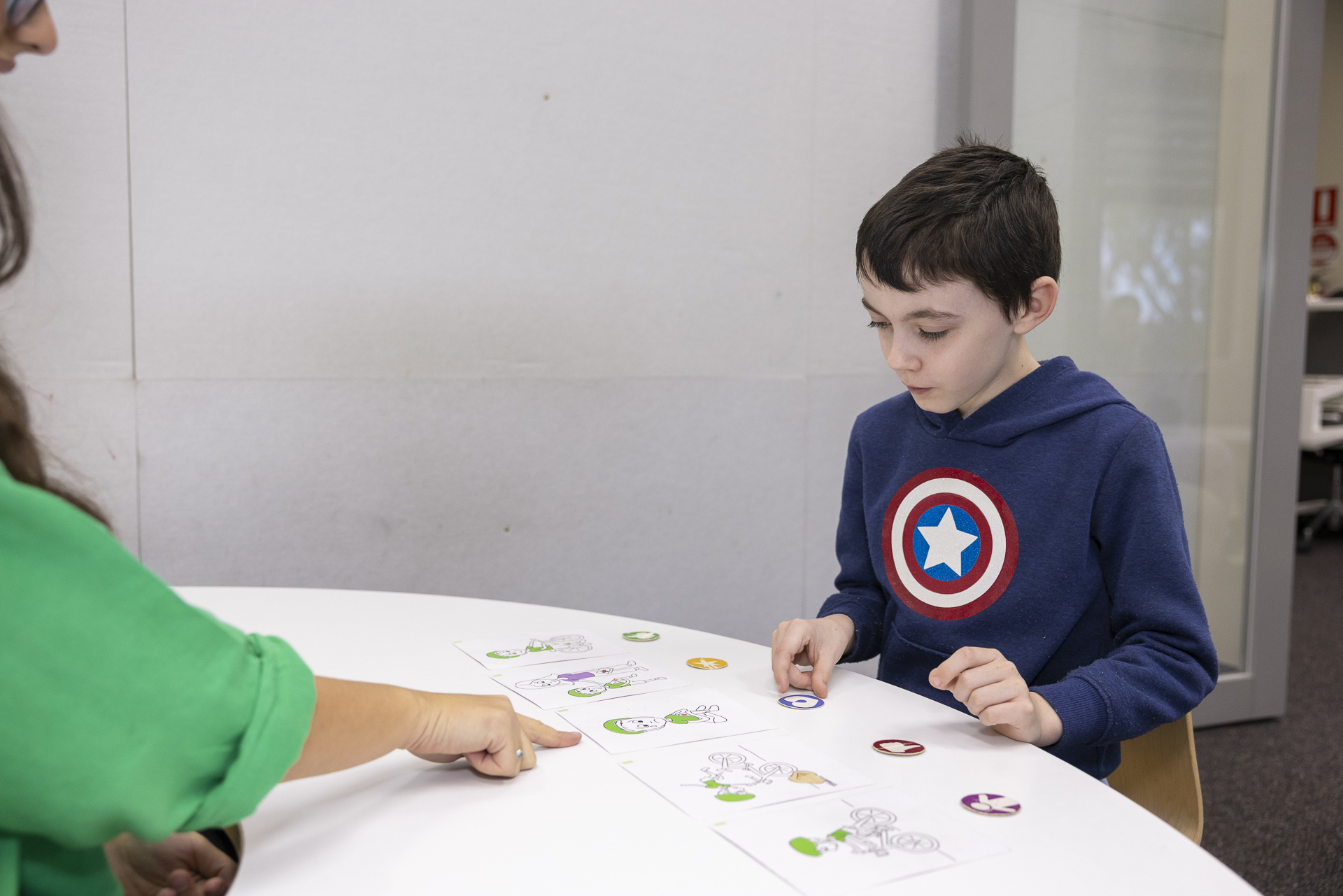
2. Autism-specific assessment with your child
Your Speech Pathologist will spend time with your child using developmentally appropriate activities and interactions. Where clinically appropriate, we use the Autism Diagnostic Observation Schedule, Second Edition (ADOS-2) as part of the assessment. The ADOS-2 provides a structured way of observing communication, social interaction, play and other behaviours relevant to Autism.
Note: The ADOS-2 is one component of an Autism assessment. It does not determine a diagnosis on its own. Your child’s assessment will be interpreted alongside their developmental history, information from caregivers and other relevant professionals, and the broader diagnostic process.
3. Collaboration with other professionals
Autism diagnosis is a collaborative process. In Western Australia, children may require input from appropriately qualified medical and allied health professionals as part of the diagnostic pathway. Depending on your child’s age, developmental profile and individual circumstances, this may include a paediatrician, psychologist and Speech Pathologist.
Kid Speak provides the Speech Pathology component of the Autism diagnostic assessment and can work collaboratively with your child’s existing health professionals.
4. Comprehensive report
Following the assessment, we will prepare a comprehensive report outlining relevant findings.
Rather than focusing only on areas of difficulty, we aim to provide a balanced picture of your child’s:
- strengths and interests
- communication profile
- social interaction and play
- sensory and regulation needs
- developmental characteristics
- functional support needs
- areas where additional support or accommodations may be helpful.
5. Feedback
We want you to leave the assessment with a clearer understanding of your child, not simply a report. A feedback appointment can be used to discuss the findings, answer your questions and talk through recommendations and next steps.